 Image 1 of 1
Once lighting a city, now lighting a home
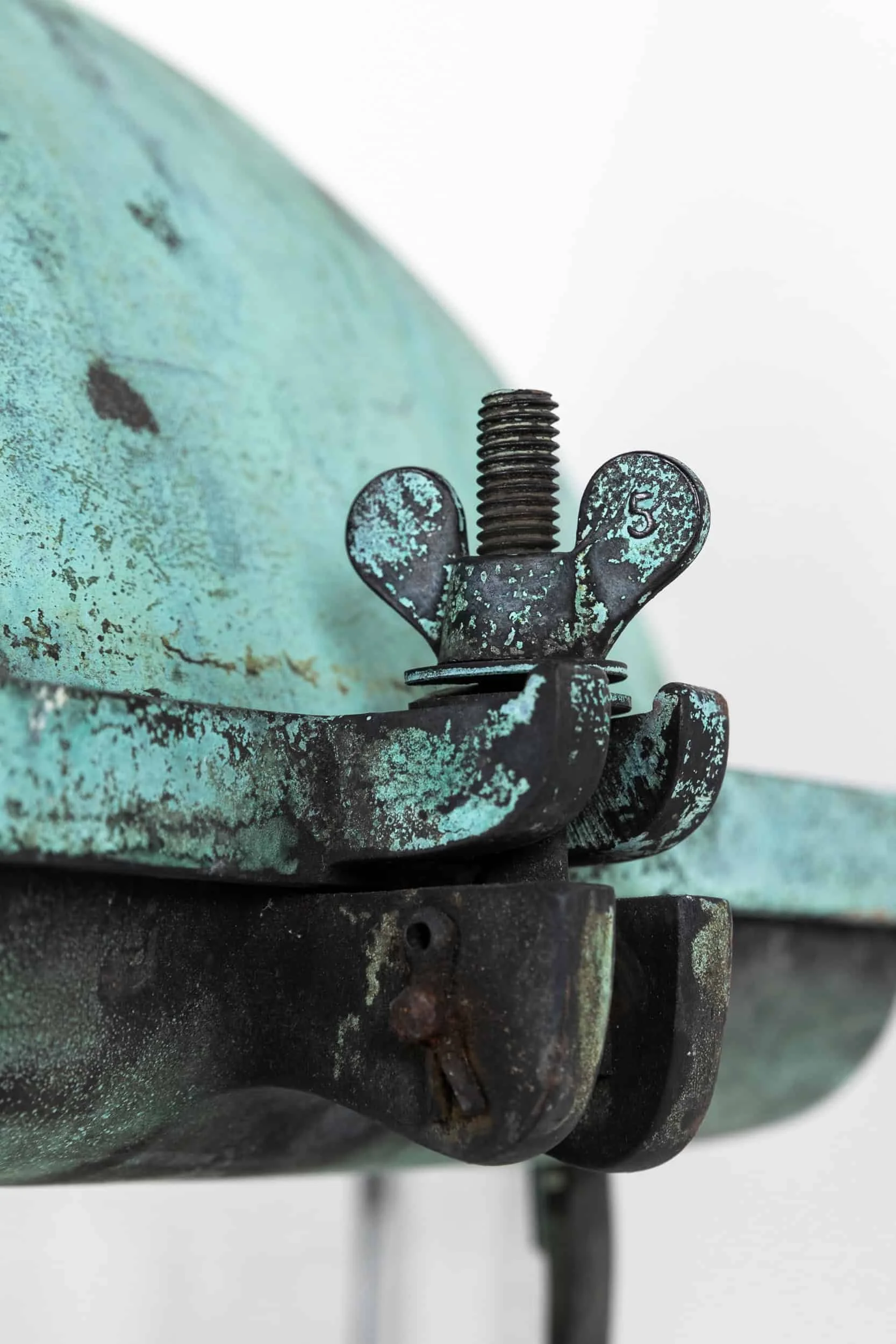
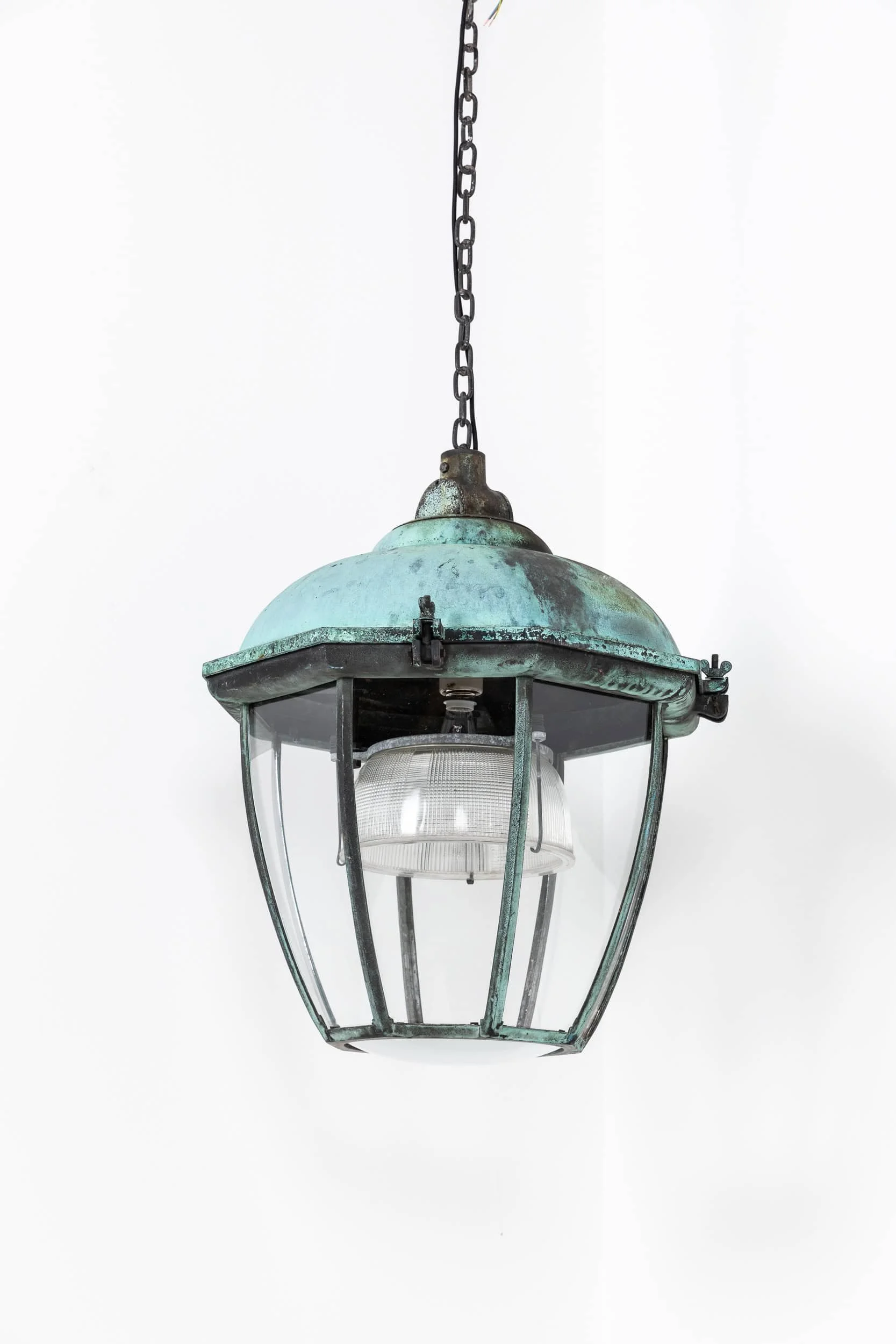
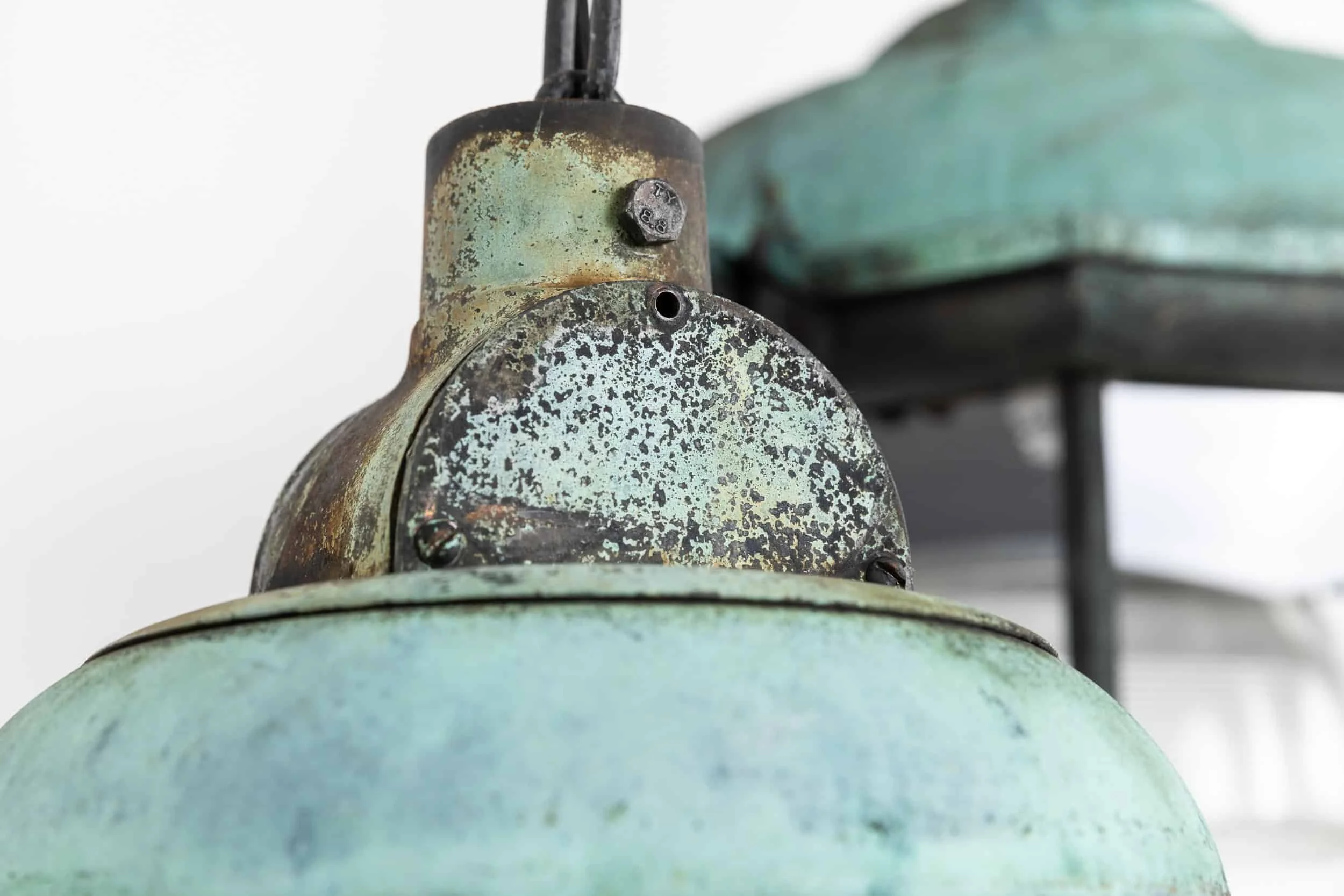
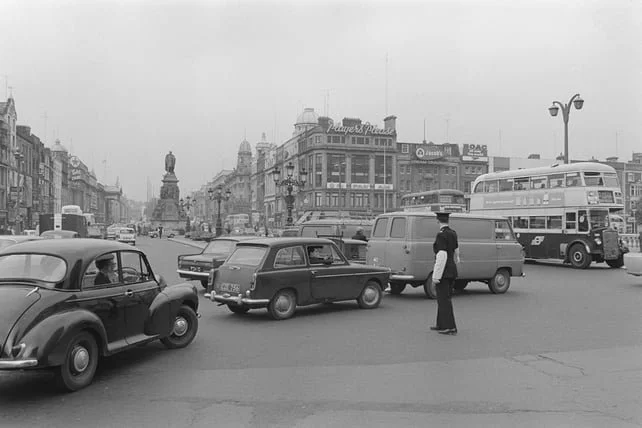
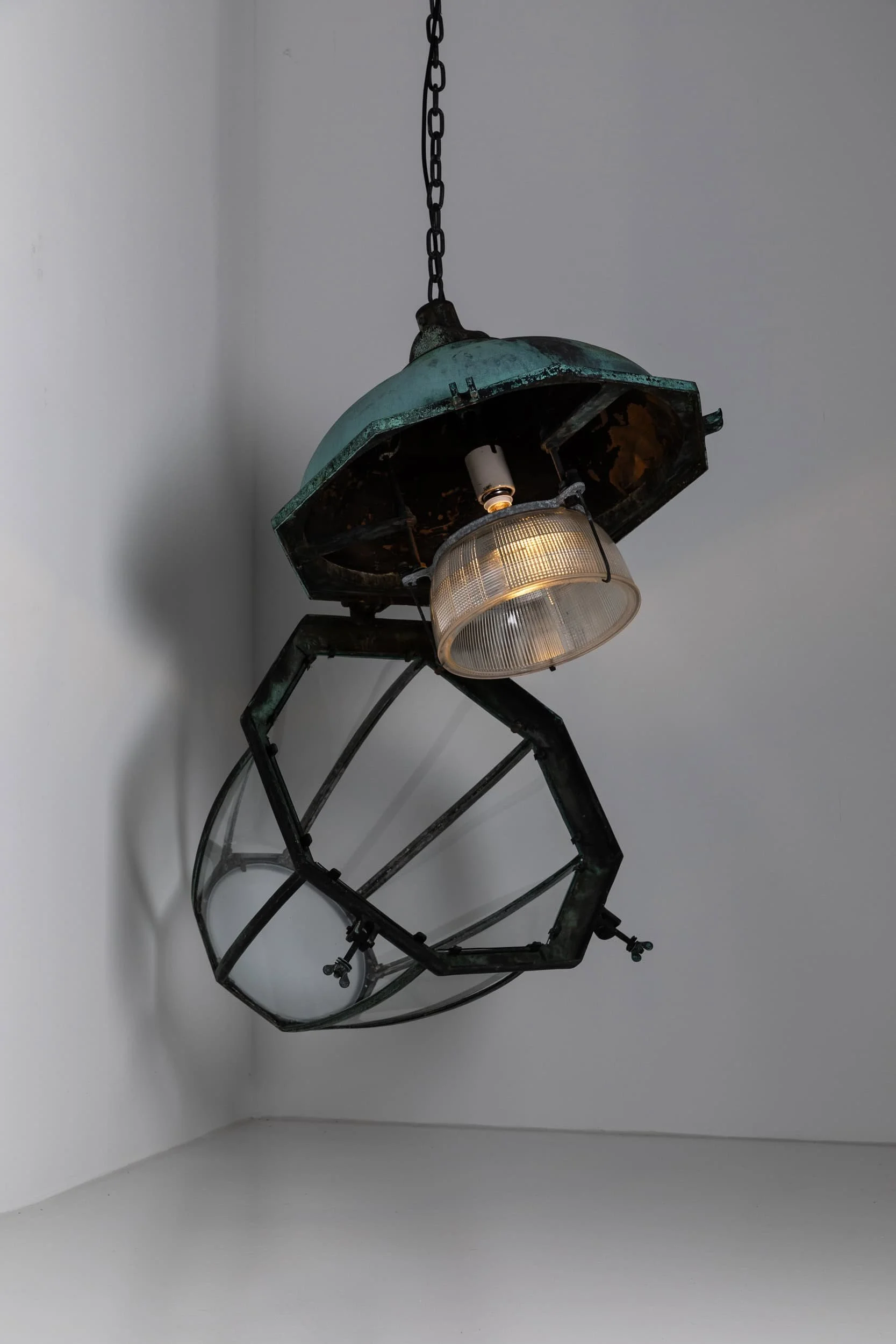
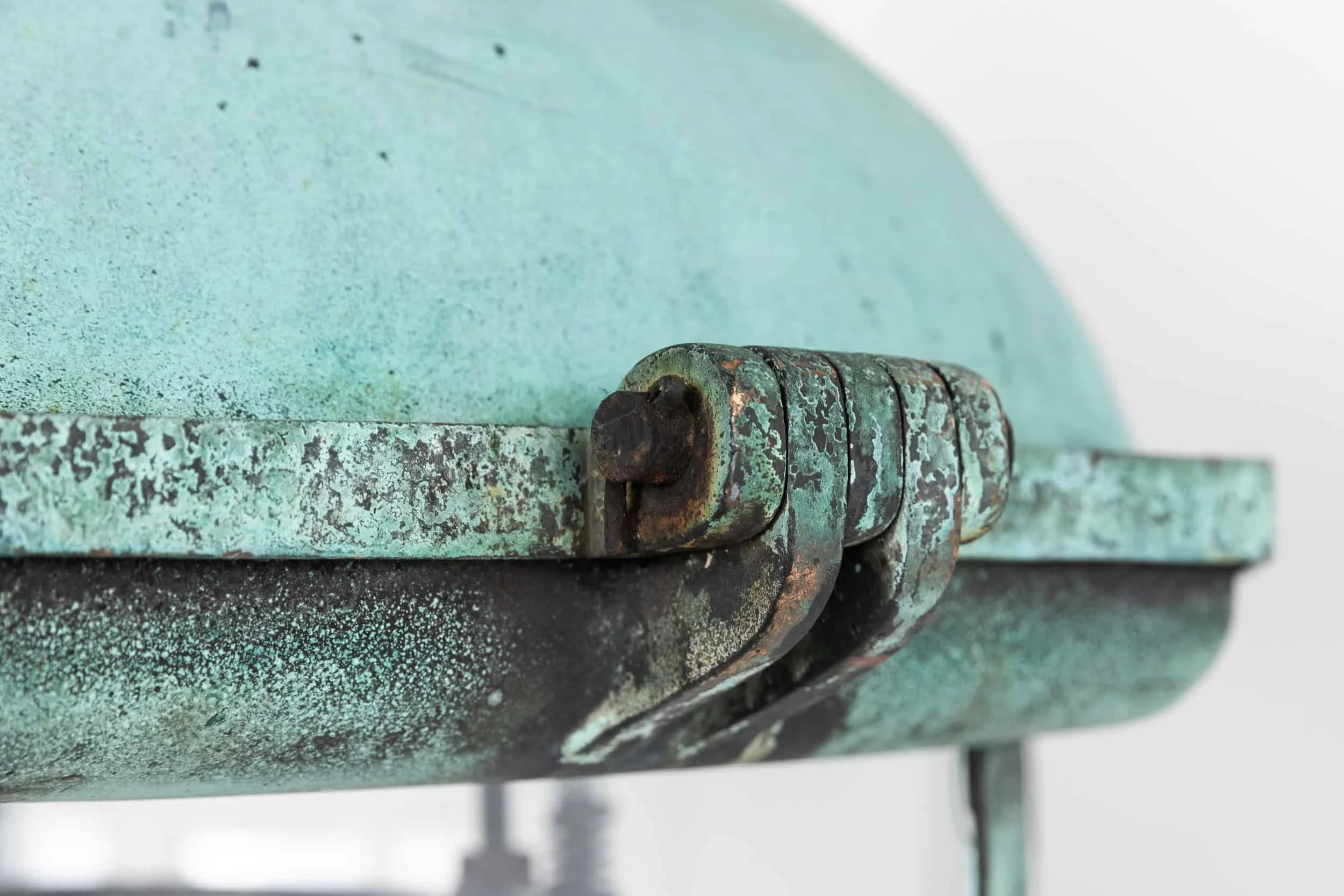
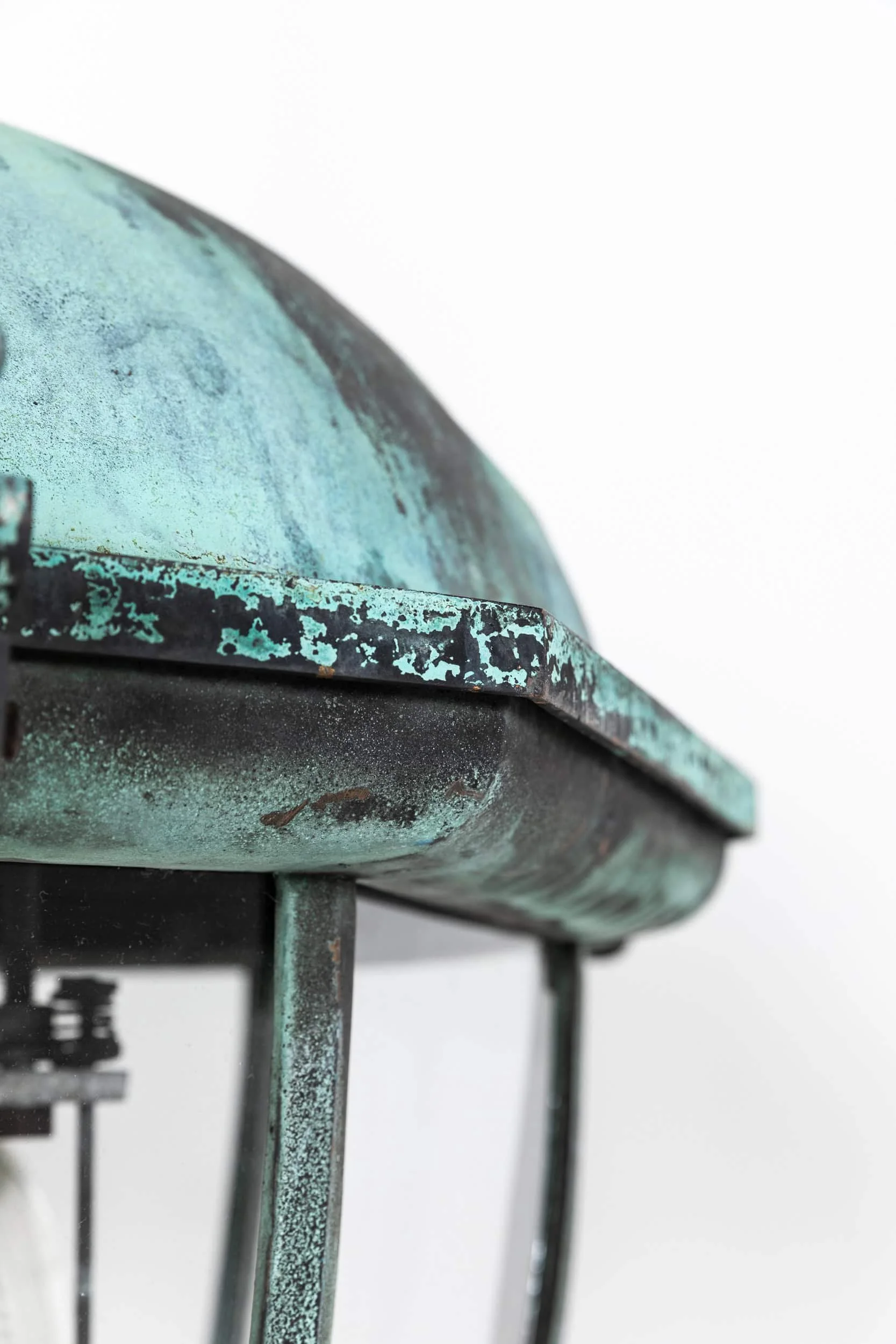
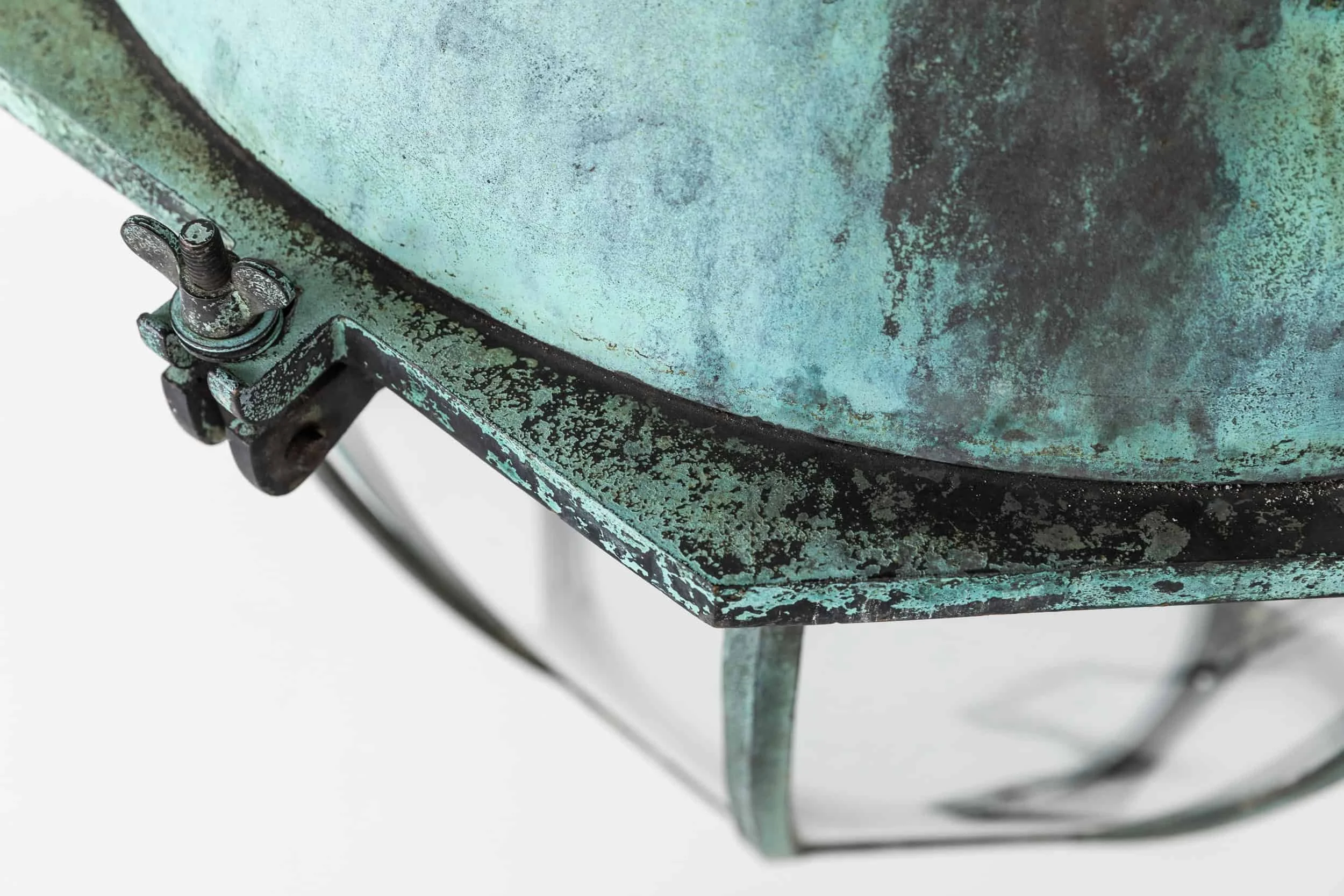
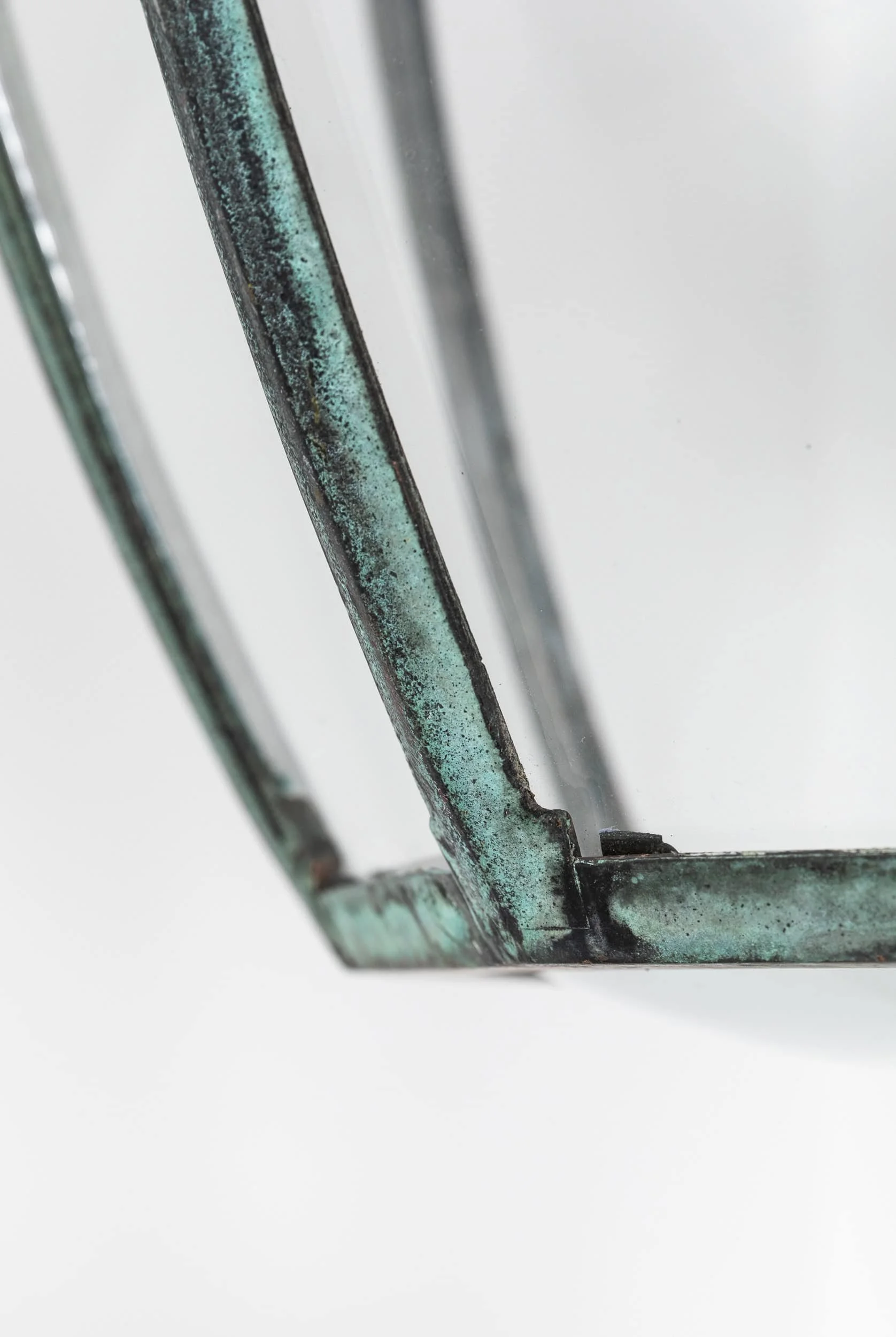
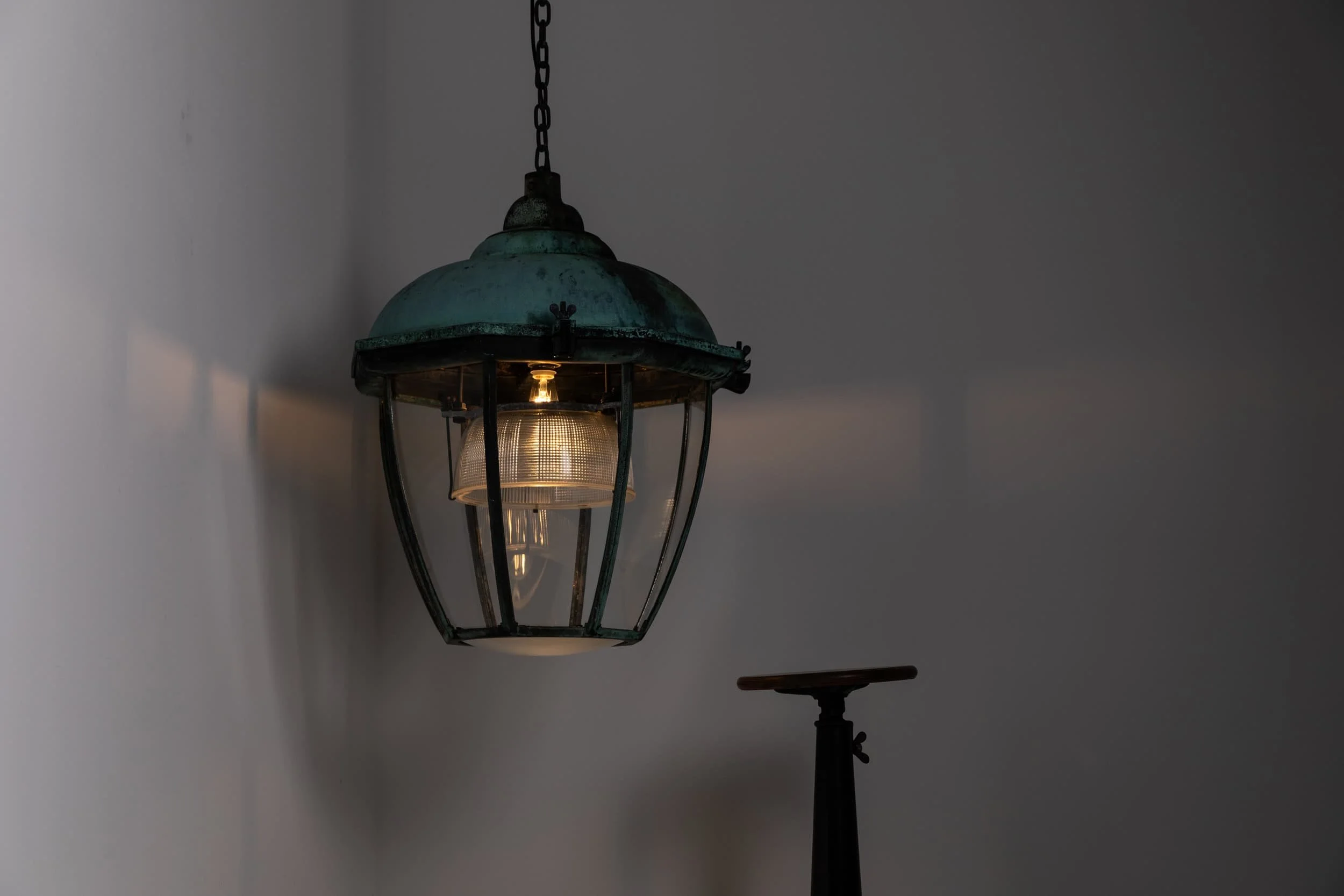
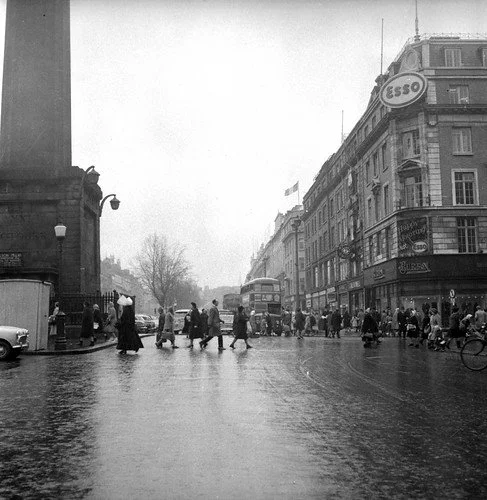
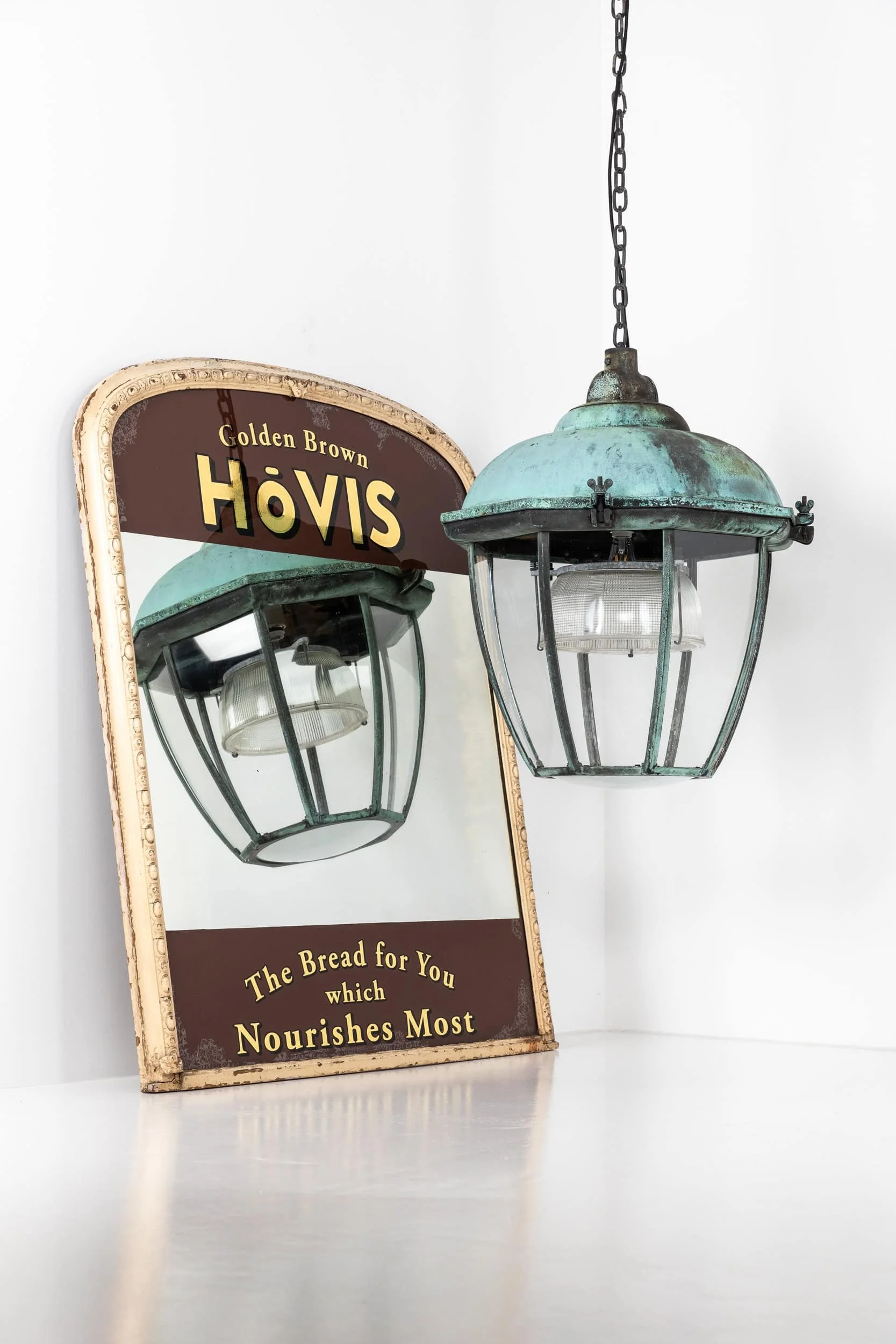
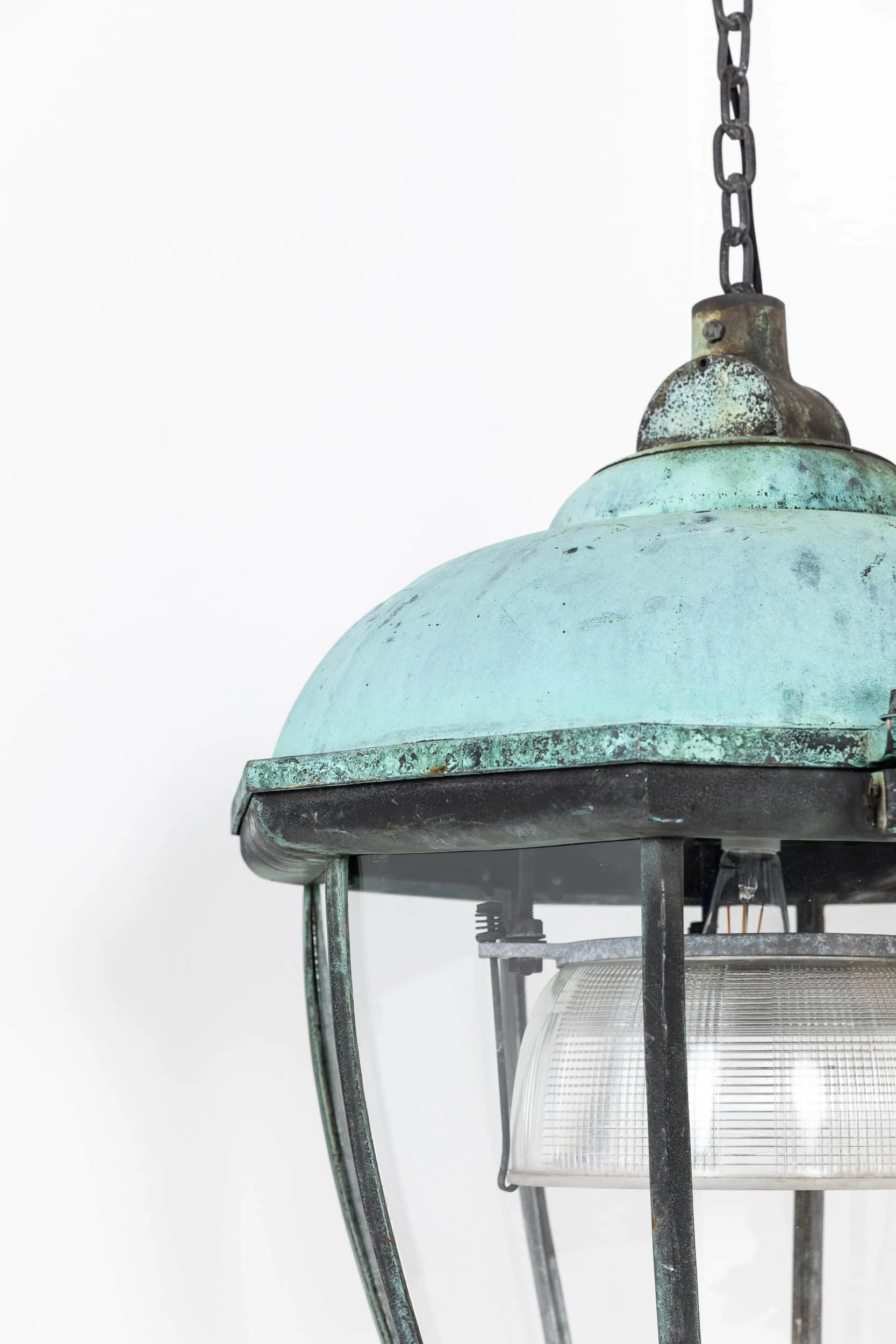
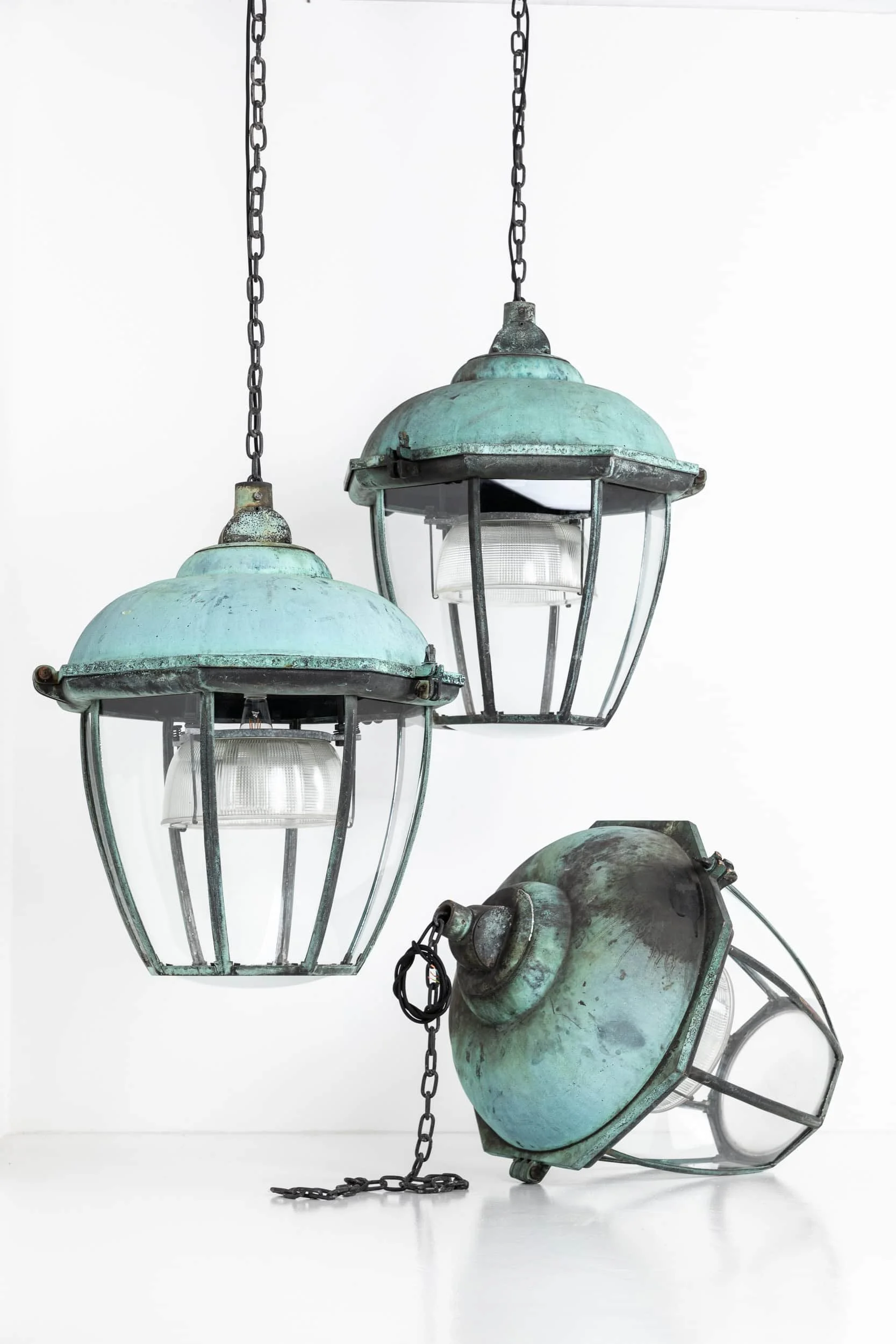
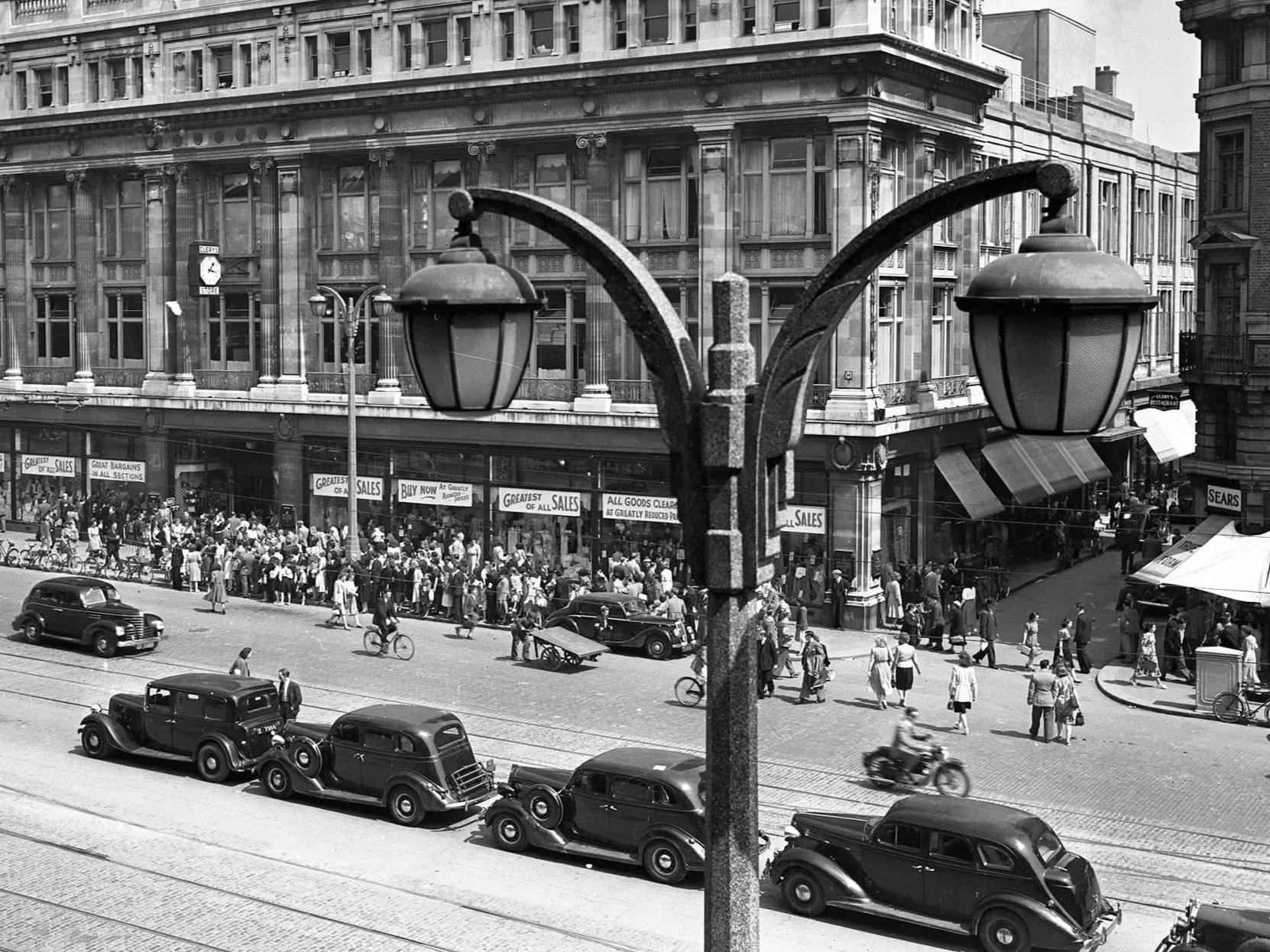
Introduced as part of Dublin's landmark 1938 street-lighting modernisation programme, these lanterns formed part of the celebrated Art Deco scheme that transformed O'Connell Street and the city's principal thoroughfares. Combining progressive design with the latest lighting technology of the period, the project became one of the most distinctive civic improvement initiatives of pre-war Ireland.
Much of the scheme was removed during the later twentieth century, making surviving lanterns exceptionally scarce today. As a result, examples from this historic installation are highly sought after by collectors, designers and architectural enthusiasts alike, representing a rare and increasingly difficult-to-find piece of Dublin's urban heritage.
About the maker
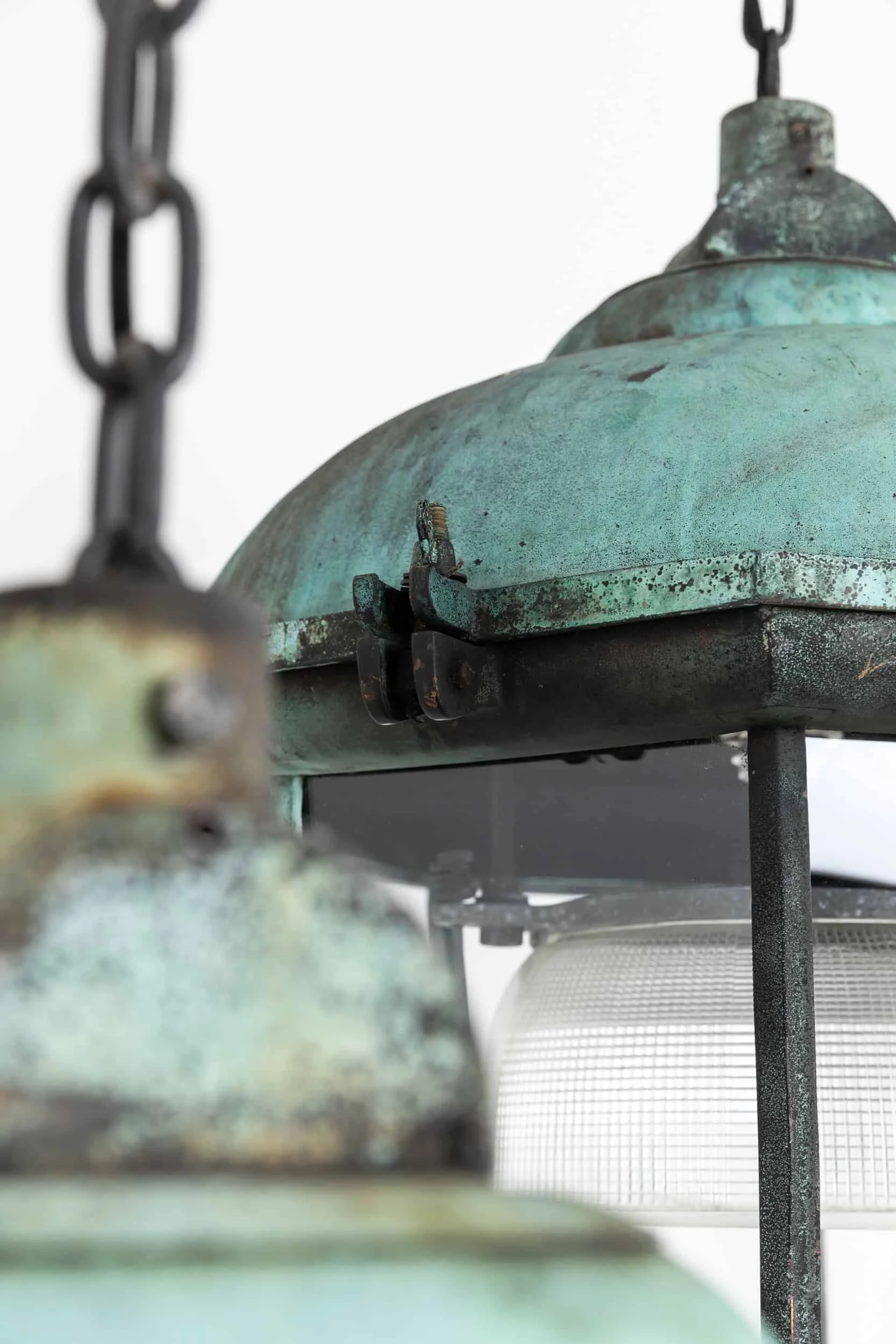
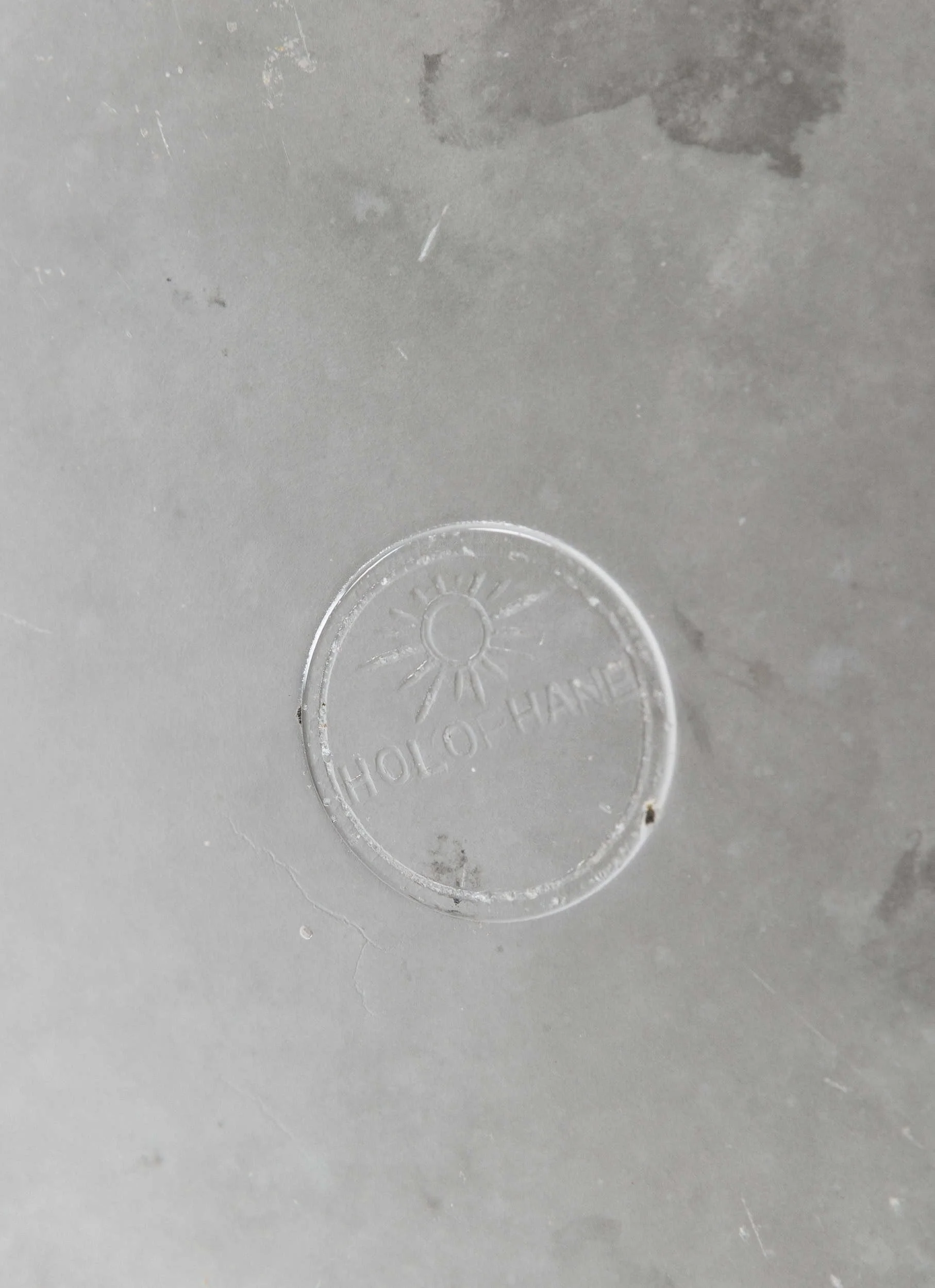
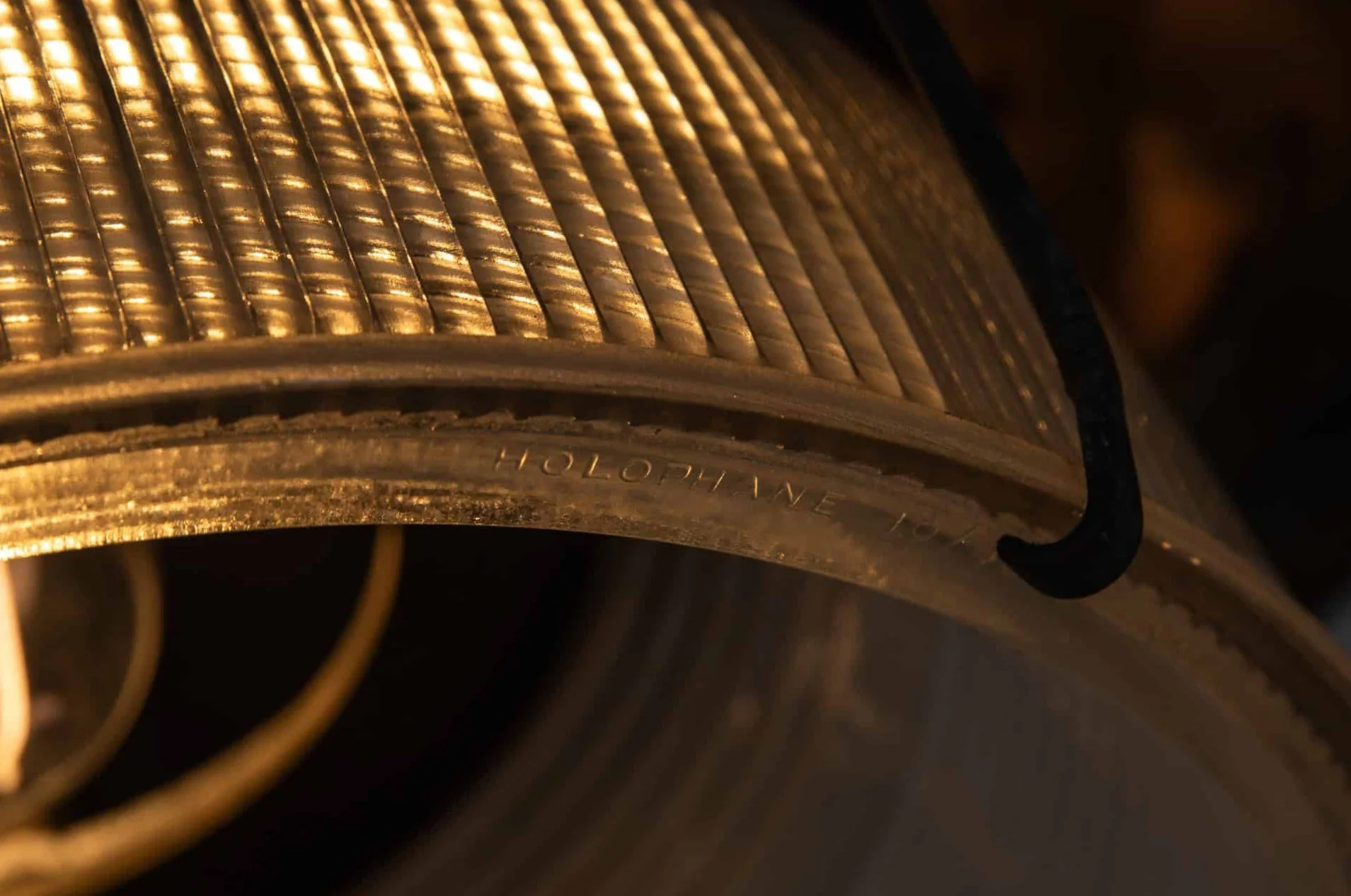
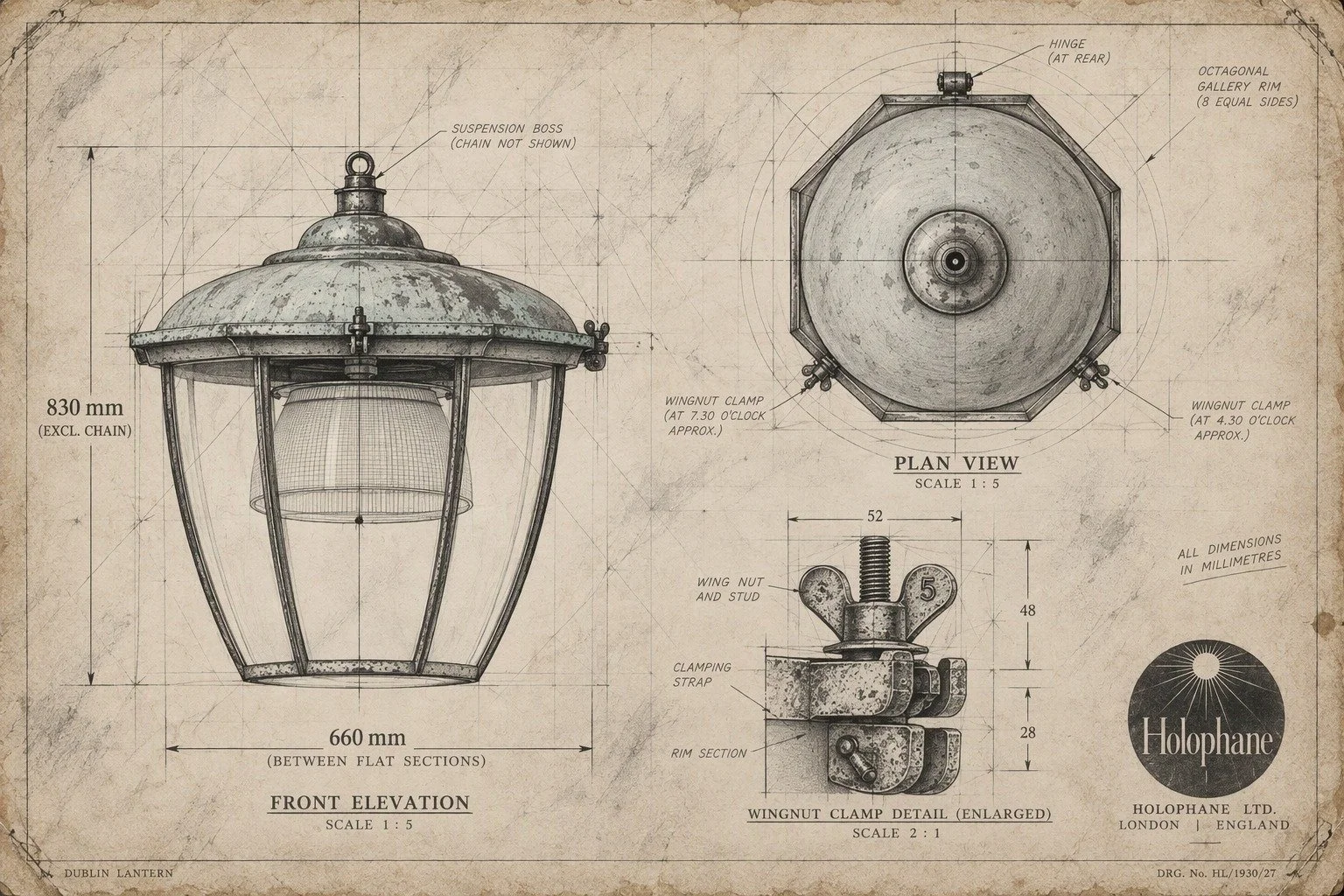
Founded in the late 19th century, Holophane became one of the world's leading manufacturers of prismatic lighting optics, specialising in refracting glass designed to maximise light output and control glare. Their innovative optical systems were widely adopted for municipal street lighting, railway stations, factories and civic buildings throughout the early 20th century.
By the interwar period, Holophane refractors were considered among the most advanced lighting technologies available, making them a natural choice for ambitious civic projects such as Dublin's celebrated 1938 street-lighting scheme. Today, original Holophane-equipped lanterns are prized for their technical innovation, quality of manufacture and enduring industrial beauty.
Dimensions
Width: 660mm
Height: 830mm
Weight: 60kg+